Mosques across the United Kingdom sit at the heart of Muslim life, shaping not only religious practice but also education, social cohesion, and community identity. Yet behind their visible role lies a more complex reality—one shaped by governance, leadership, and accountability.
This two-part article explores that reality. Part One examines the vital role mosques play in British society and the common governance challenges that can undermine them. Part Two looks deeper at power structures within mosques, the consequences when governance breaks down, and the practical steps needed to safeguard their future.
Part One: The Backbone of British Muslim Life — and the Risks Within
More Than a Place of Worship
Across the United Kingdom, mosques play a central and irreplaceable role in the lives of Muslim communities. With more than 2,000 mosques nationwide—including an estimated 300 to 400 in London alone—these institutions are far more than places of worship.
They are hubs of education, social cohesion, and community life.
Five daily prayers bring congregations together. Mosques host children’s education through madrasah, facilitate nikah and janaza ceremonies, and provide a space for reflection and support. In areas with larger mosques, entire local economies often develop—halal butchers, grocery stores, and restaurants flourish around them.
A Weekly Surge of Belonging
Every Friday, these spaces transform. Hundreds of thousands of worshippers—many of them young—fill mosques across the country, creating a powerful sense of unity and belonging.
Yet demand continues to outstrip supply. Space constraints are a common issue, leading to constant expansion projects and the opening of new mosques.
“It is no exaggeration to say that mosques are central to the preservation and growth of Islam in the UK.”
The absence of mosques during the Covid-19 lockdowns made that reality even more apparent.
When Governance Fails, Everyone Pays
Most UK mosques operate as registered charities, bringing both protection and responsibility. Charity registration often becomes essential due to the scale of funds handled and the involvement of children, placing safeguarding at the forefront.
But when governance fails, the consequences ripple far beyond the boardroom.
“I often get involved when governance goes wrong—trustees fall out, the Charity Commission intervenes, or financial mismanagement emerges. Each time, the mosque suffers.”
“Funds are lost to litigation, reputations are damaged, and opportunities to serve the community are missed.”
These failures are rarely isolated. They often stem from recurring issues—commonly referred to as mosque politics.
The Chair: Steward or Stronghold?
At the centre of many governance challenges is the role of the Chair. Far from ceremonial, the Chair leads meetings, sets agendas, and represents the mosque to external stakeholders including councils, police, schools, and the NHS.
While trustees collectively hold responsibility, the Chair often becomes the public face of that accountability.
Problems arise when this role becomes entrenched.
Many long-serving Chairs have made extraordinary sacrifices—giving their time, money, and effort to establish or expand mosques. These contributions are often foundational.
But over time, sacrifice can evolve into attachment—and attachment into control.
“I have seen individuals who gave everything to build a mosque become unwilling to let go—as if the Chair position were a God-given right.”
When trustees don’t question, governance weakens. Mistakes are overlooked, concerns are suppressed, and accountability fades—until issues surface publicly.
A strong Chair responds to scrutiny with openness. A defensive one can unintentionally deepen the crisis.
A Charity, Not a Personal Legacy
This reflects a deeper misunderstanding. A mosque is not an owner-managed business.
In a private company, an owner carries both the risks and rewards of their decisions. In a charity, the consequences are borne by the community—through donor funds, reputation, and lost opportunity.
“When governance is treated like ownership, the very purpose of the mosque is put at risk.”
The Imam: At the Heart, Yet Often Undervalued
If governance is one pillar of a mosque, the Imam is its heart. Responsible for leading prayer, delivering sermons, and guiding the community, the Imam’s role is central to a mosque’s impact.
Yet in practice, that role is often undervalued.
“I was once called urgently to a mosque committee meeting. When I arrived, the issue was whether the main senior Imam could afford to take leave to visit Pakistan.”
“He sat with his head down, waiting to hear if he could go.”
“When I asked his salary, it was around £700 a month. I flipped.”
“I told the committee they had insulted the Imam and wasted my time. I advised him to leave—and he did. Today, he is thriving in a large mosque.”
This example exposes a broader contradiction. While families invest heavily in academic education, religious leadership is often treated as a cost to minimise.
Without capable and respected Imams, mosques risk becoming impressive structures with limited impact.
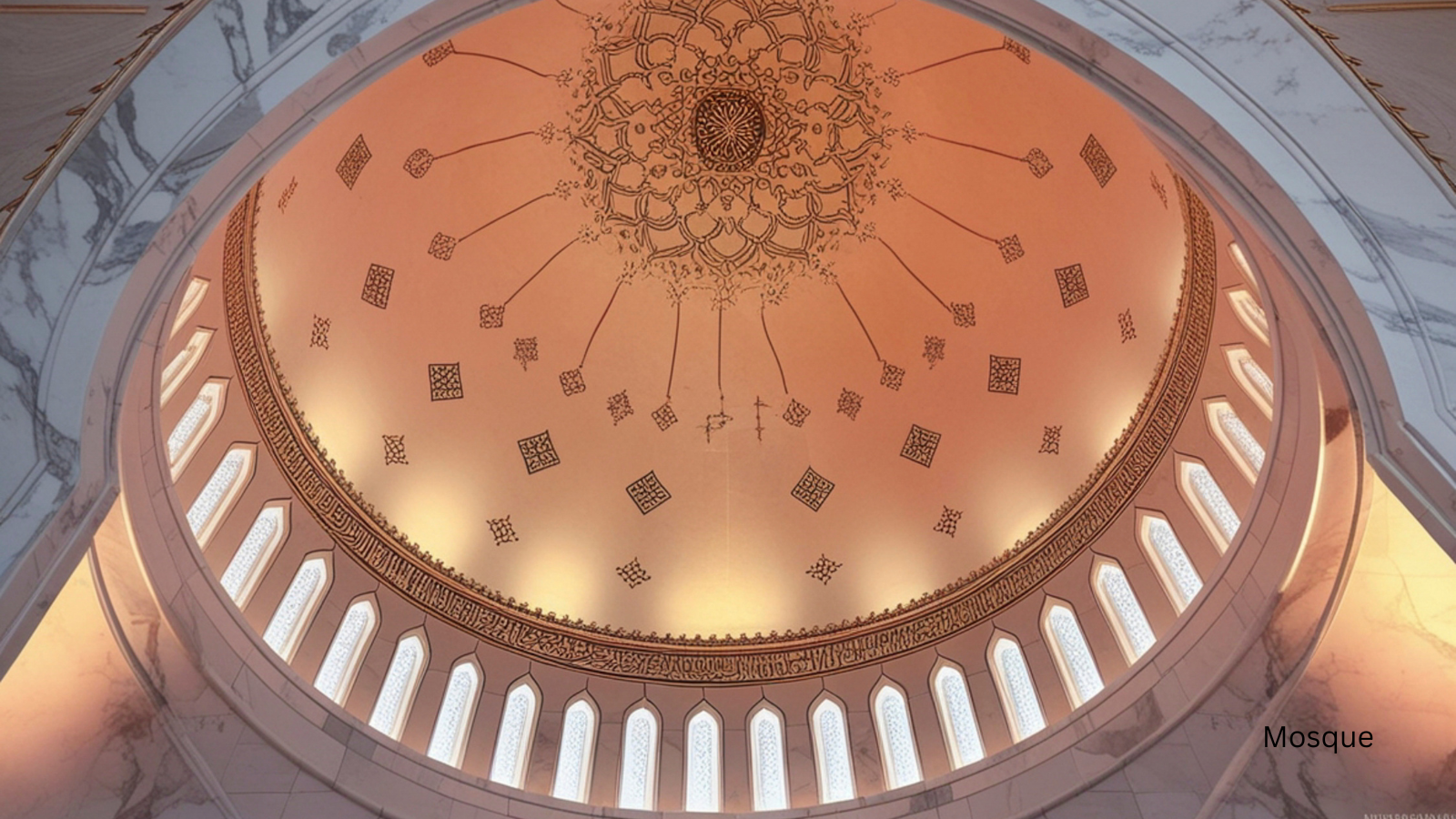
“Grand chandeliers may impress—but they do not educate, guide, or uplift a community.”
Part Two looks deeper at power structures within mosques, the consequences when governance breaks down, and the practical steps needed to safeguard their future. Click here to read Part Two: Mosques: Power, Accountability and the Path Forward.
Author:
Nasir Rafiq BA, FCA is the Managing Partner of Dua Governance Chartered Accountants, an ICAEW firm specialising in charity financial governance and accounts.
Nasir works and deals with a large portfolio of Muslim charities and Mosques in UK advising them on accounts and governance issues. He has conducted high-profile governance reviews and investigations.
Nasir is the former Finance & Corporate Services Director of Islamic Relief Worldwide and holds many senior positions within the Muslim community.
Email: info@duagovernance.com